
Beyond being the Creative Producer at Made By Things, I am also an adjunct professor. I teach classes in Mass Communication, with a special focus in cinema and advertising. In these advertising classes, I spend a considerable amount of time getting to know the students and their desires and grievances. The things that make them tick.
While I am teaching them, they are also teaching me. Gen Z represents a shift in how we determine the effectiveness of a receptive marketing mindset, particularly when it comes to their expectations from brands. But if they are so different, how do we market to them?
Known as the anxious generation, they are also a cynical generation suspicious of anything that may sound like a sales pitch… But also, they love to buy things. TikTok Shop, Amazon, Shein - these companies all profit from Gen Z’s desire for a little treat. But the little treat doesn’t stem from a misunderstanding about money. It’s a response to a turbulent economy and an uncertain future. A generation confident in their future, plans for it. Gen Z lacks this confidence, so beyond lacking the means to make larger purchases, they also do not have the safety to make long-term decisions. For them, it’s more rewarding to buy a lip stain, novelty keychain, or (on the luxury end) the latest iPhone.
Disunity: While Gen Z may be excited about whatever the latest pop release is, they don’t necessarily worship a single idol like other generations have. This can be seen through Short Head and Long Tail media (Chris Anderson, 2004). Short Head represents all the most popular media (like Madonna or Michael Jackson) and the Long Tail represents the more niche or alternative interests (like Depeche Mode, Tears for Fears, or Talking Heads).
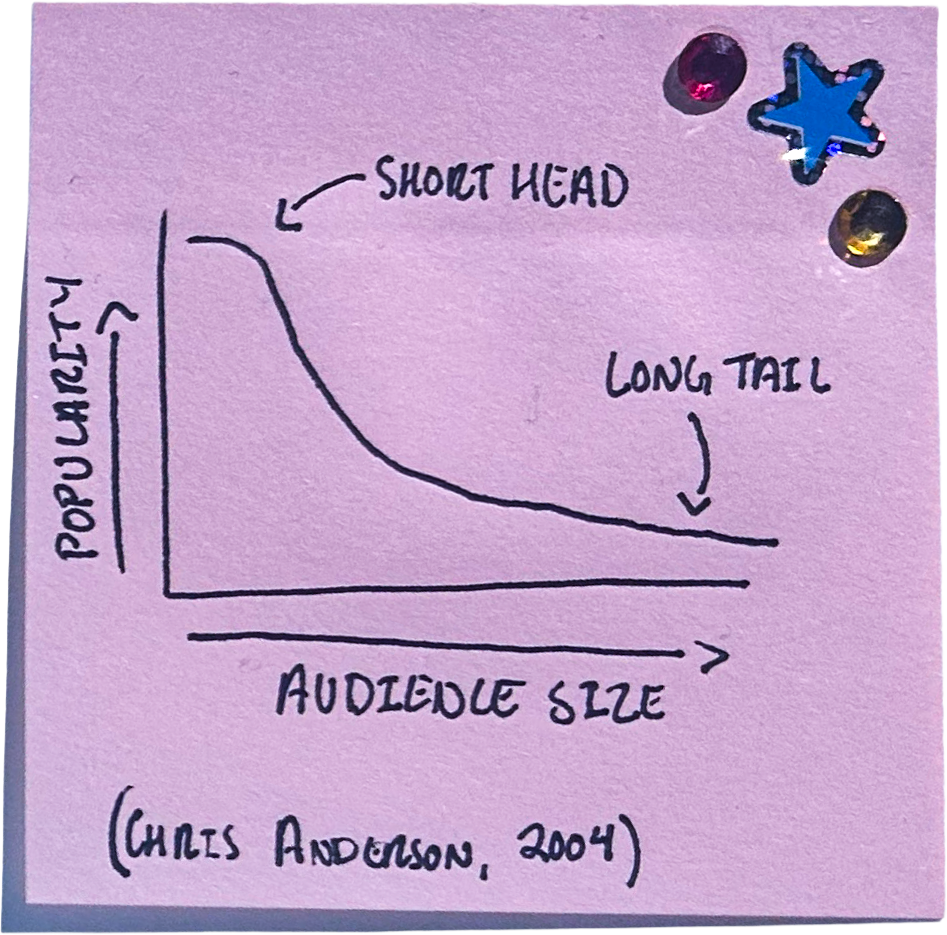
Especially since the 1980s, the popularity of the Short Head has shrunk and the Long Tail has simply grown longer. This is because we have greater access to more media. Gen Z isn’t a homogenous group because there is no homogenized culture. Radio and cable no longer determine popularity. Individualized algorithms do, leading to a disunity felt by an already disconnected generation.

Distrust: This is a generation who not only feels general distrust toward authority, they also look for reasons to experience this distrust. They are suspicious and they’ve grown up with enough media to spot nonsense and deception. For brands, this means they know when they’re being sold to and when to believe it.
Disloyalty: Beyond the anxiety, this generation is also fickle. Cancel culture is a primary example of their willingness to cast aside things, people, and brands if it seems they are inappropriately wielding their power or behaving without a strict ethical code. When it comes to advertising, they are the first to recognize that a brand is a company but will expect the same treatment from it as they would a human.
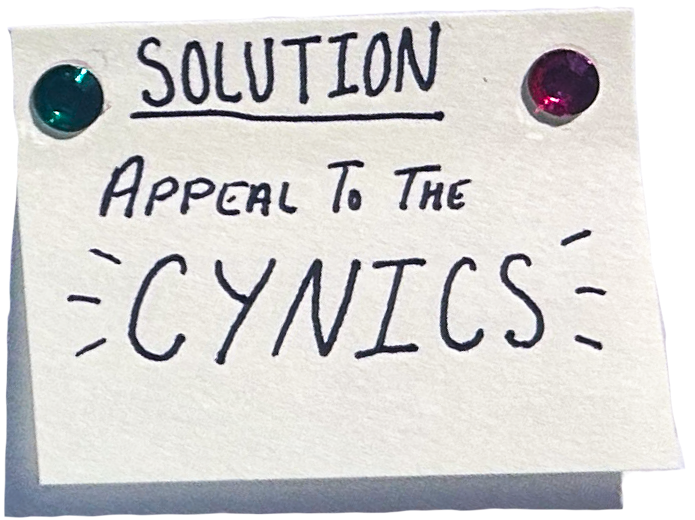
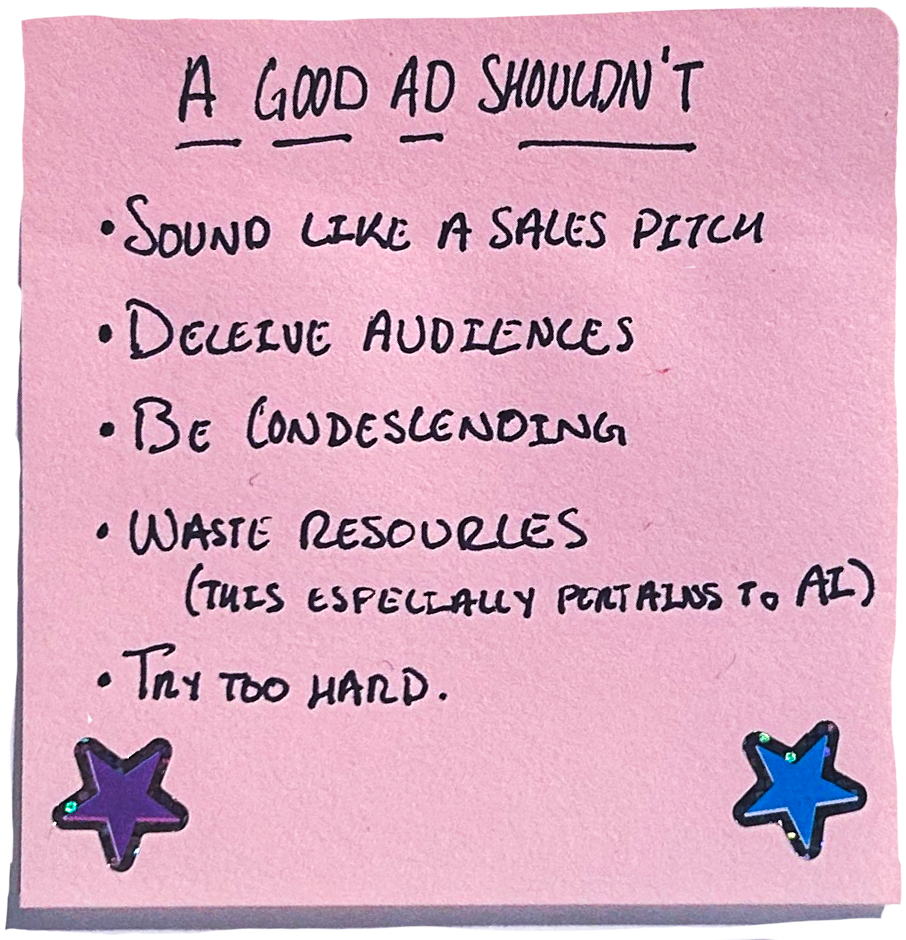
If someone can see through you, don’t pretend to be something you’re not. This is the general Gen Z motto. While self-awareness is valuable to them, it must come with pure intentions.
That last one is a key component. It should feel effortless, hence why narrative-driven marketing works so well with them. Whether it be from their favorite content creator or a short film, they are more receptive to original stories.
Much of the problem in how we think about younger generations stems simply from othering them. The obsession with finding the differences between us leads to misunderstanding. For evergreen marketing focused on attracting younger audiences, look not to what makes them different, but to what makes them the same. Relatability means nothing without genuine understanding.